
Branding and Positioning
Clearer market stories for companies, products, and launches.
Make Complex Offers Easier to Understand and Choose
A clear position helps a company explain what it does, why it matters, and where it belongs in a changing market. These engagements brought narrative, product, and sales materials into closer alignment so teams could communicate with greater consistency.
TWG helps technology companies clarify their category, value, and audience, then turns that direction into messaging teams can use across websites, launches, sales conversations, and campaigns.
When the Market Story Stops Working
When positioning needs attention
Signs the story no longer fits
- 01
The offer has changed
New products, audiences, or capabilities no longer fit the language the company has been using. - 02
Buyers do not understand the difference
The company sounds like everyone else, making evaluation slower and sales conversations harder. - 03
Teams tell different stories
Leadership, marketing, product, and sales describe the same business in conflicting ways. - 04
A launch or market shift raises the stakes
The company needs a clear position before introducing a product, entering a category, or responding to change.
What TWG delivers
From evidence to a story teams can use
Market and competitive analysis
Buyer, competitor, and category context that identifies the most credible position.
Positioning and category strategy
A clear definition of where the company, product, or offer belongs—and why it matters.
Narrative and messaging architecture
The central story, value language, and a usable hierarchy of audience, problem, promise, proof, and differentiators.
Launch, sales, and team messaging
Message foundations for websites, launches, campaigns, and sales materials, plus shared language that marketing, product, leadership, and sales can use.
What TWG Delivers
The engagement is shaped around the decision the business needs to make and the language teams need to use afterward.
Market and competitive analysis
Buyer, competitor, and category context that identifies the most credible position.
Positioning and category strategy
A clear definition of where the company, product, or offer belongs and why it matters.
Messaging architecture
A usable hierarchy of audience, problem, promise, proof, and differentiators.
Narrative and value proposition
The central story and value language that connect strategy to buyer understanding.
Product and launch messaging
Message foundations for websites, launches, campaigns, presentations, and sales materials.
Team alignment
Shared language and practical guidance that marketing, product, leadership, and sales can use.
How the Engagement Works
TWG moves from evidence to decisions, then turns those decisions into language the organization can use.
Diagnose
Review the market, buyers, competitors, existing materials, and the change creating the need.
Define
Make the core category, positioning, audience, promise, and differentiation decisions.
Build
Create the narrative and messaging architecture, with proof and guidance for priority audiences.
Activate
Apply the message to the website, launch, campaign, sales materials, or other priority touchpoints.
What Clear Positioning Makes Possible
What Clear Positioning Makes Possible
A market story buyers understand and teams can use.
Clear positioning makes the company easier to choose and gives every team a stronger foundation for execution.
Faster buyer understanding
Buyers quickly grasp what the company does, why it matters, and what makes it different.
Stronger internal alignment
Leadership, product, marketing, and sales work from the same decisions and language.
More coherent execution
Websites, launches, content, campaigns, and sales materials reinforce one market story.
A foundation that scales
The message becomes a reusable system instead of being reinvented for every channel or initiative.
Signals → Systems: Evidence reveals where attention and opportunity are moving; the resulting narrative keeps execution coherent. Signals inform the positioning, and Systems carry it forward.
Branding and Positioning Engagements
Explore the broader client portfolio for brand strategy, positioning, product marketing, and sales enablement.

Epiq Bankruptcy
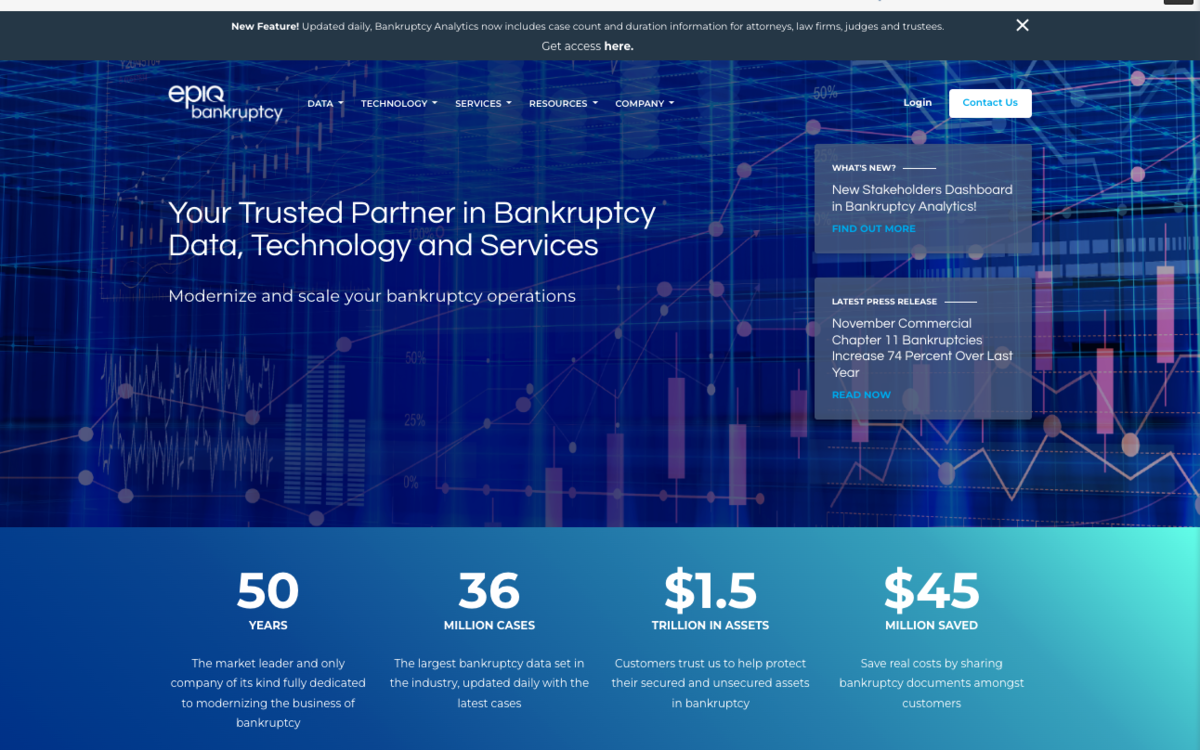
Making a complex professional service easier to understand and bring to market.
Want to see how we'd build for you?
Frequently Asked Questions
Brand positioning defines the clear, credible place a company, product, or offer should occupy in its market and in a buyer’s mind.
The work can include market and audience research, messaging, narrative development, product positioning, sales enablement, and launch materials.
A shared position helps teams communicate the same value with more clarity across marketing, sales, product, and customer conversations.
A company should revisit its positioning when its offer, audience, competitive landscape, or growth strategy has changed enough that the existing story no longer explains the business clearly. Product launches, category shifts, acquisitions, new leadership, and persistent sales confusion are common triggers.
A focused positioning and messaging engagement commonly takes four to eight weeks. Timing depends on the number of audiences and offers involved, the availability of leadership and customer input, and whether activation materials are included.
Yes. TWG can carry the positioning into website copy, launch messaging, presentations, sales materials, content, campaigns, and the operating guidance teams need to use the story consistently.